Open With an Observation
A short, genuine observation about the room, the glass, or the work in front of you opens more naturally than a question aimed directly at the other person.
Journal · Culture & Etiquette
How you speak about wine, art, and time reveals more than any résumé. Conversation topics that resonate with high-net-worth partners rarely rely on facts recited from memory - they rely on genuine, cultivated curiosity carried into the room with ease.
Last updated: 11 August 2026
Luxury lifestyle dating tips often focus on venues and wardrobe, yet the conversation itself is what a discerning partner remembers longest. Genuine curiosity about wine, art, and horology signals patience and taste far more convincingly than a rehearsed list of facts, because these three fields reward attention rather than recitation.
They also share a common thread: each is a story told slowly, through provenance, craft, and time. A member of a curated sugar dating site who can sit comfortably with that slowness - asking rather than performing - tends to be remembered as thoughtful company, not merely well-informed company.
What follows is not a script. It is a way of listening closely enough to three cultivated worlds that a conversation about any of them can begin honestly, wherever it happens to lead.
Topics Worth Knowing
Wine, art and horology reward the same quality of attention. Each section below offers a way in, not a script to memorise.

A glass of wine carries a place and a season inside it, and that origin is a far more interesting opening than any figure on a label. Asking where a bottle was grown, or what the harvest was like that year, invites a story rather than a transaction - and it shows genuine interest in the wine itself.
There is no need to reach for technical vocabulary. Naming a plain sensation - the wine feels warm, or tastes of ripe fruit, or leaves the mouth dry - is honest and easy to build on together. Precision matters less than paying attention.
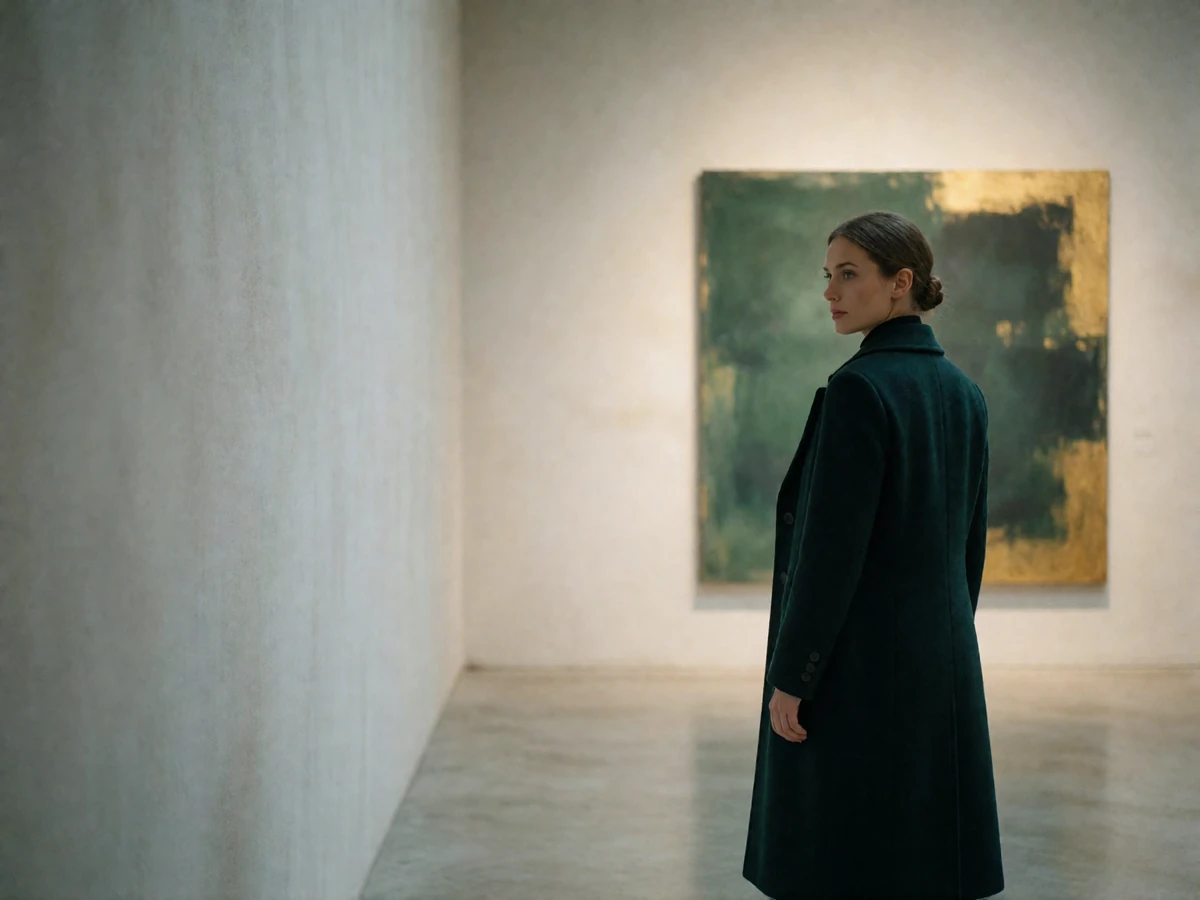
Standing quietly with a work before speaking is a small courtesy that most people notice and appreciate. It signals that the room, and the person beside you, are worth a moment of unhurried attention before any opinion is offered.
Not recognising an artist is not a failing - pretending to is. A simple question, such as what drew the other person's eye first, turns unfamiliarity into a shared exercise in looking rather than a test either of you might fail.
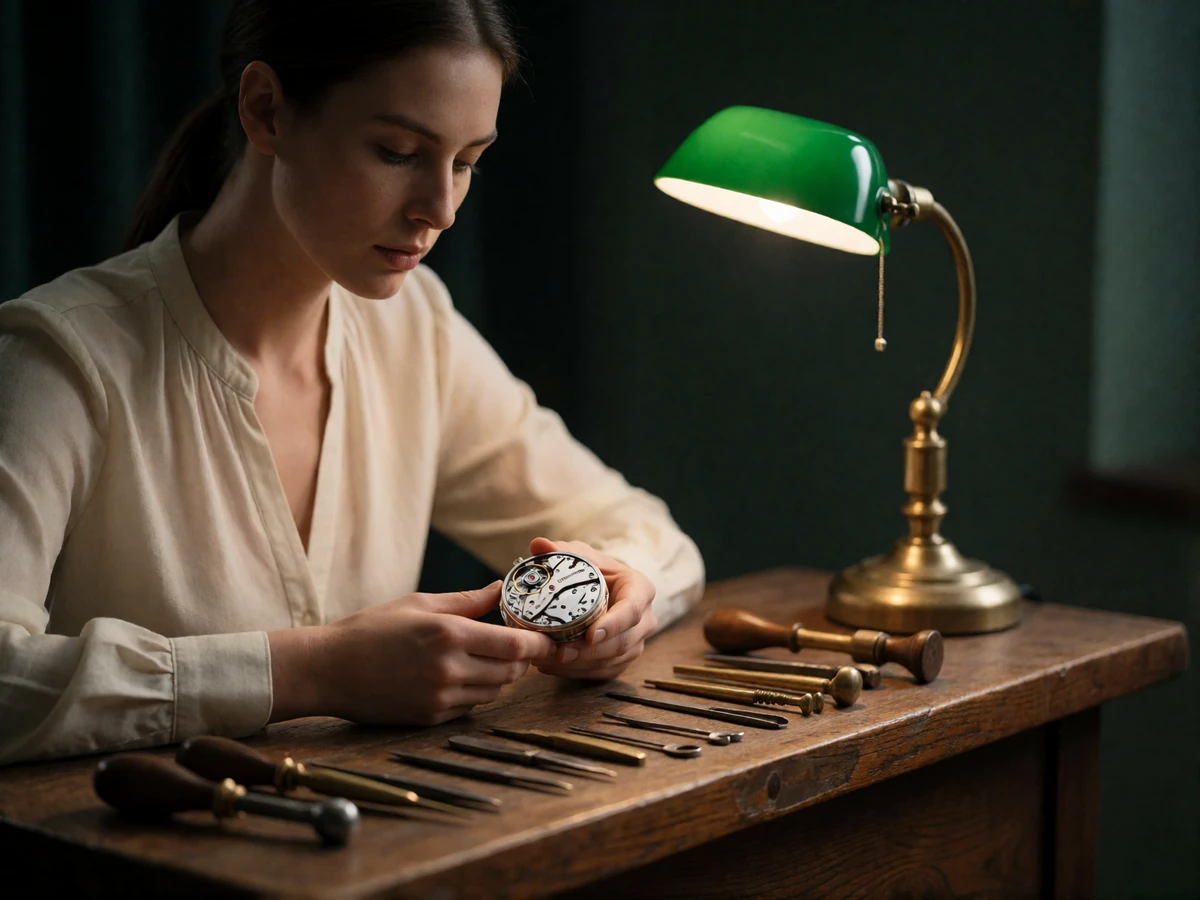
A mechanical piece is built by hand, adjusted by hand, and worn for decades - which makes it a natural subject for conversation about patience and craft rather than status. Asking how someone came to wear a particular piece usually opens onto family, travel or a milestone, not a specification sheet.
The most confident approach to a fine watch, much like fine wine or a striking painting, is to let it be noticed rather than pointed out. Restraint reads as ease; announcement reads as effort.
Curated introductions connect members whose evenings already include wine, art and fine craftsmanship - no scripts required.